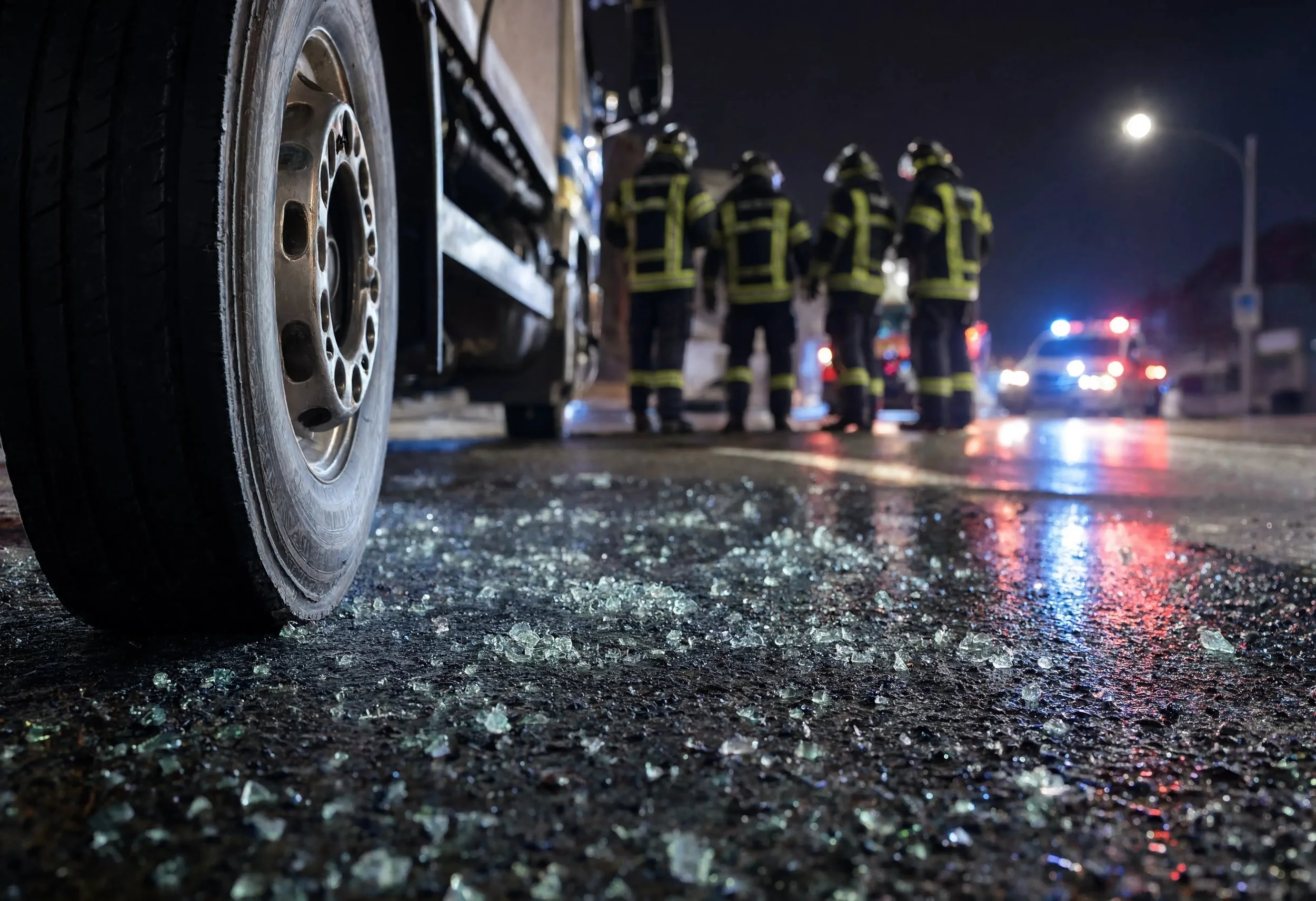
A collision with an impaired driver can leave you facing injuries, unexpected medical expenses, and questions about your legal rights. You may wonder whether the driver's arrest affects your insurance claim, who will pay your bills, and whether you need to wait for criminal charges to conclude.
If a drunk driver hit you in NC, understanding the next steps can help you protect your health, document the accident, and make informed compensation decisions.
North Carolina handles criminal DWI proceedings separately from civil personal injury claims. The state also has specific rules regarding insurance coverage, punitive damages, and contributory negligence.
This guide explains what to do after the crash, what happens during the legal process, and which options may be available if an impaired driver caused your injuries.
What Should You Do Immediately After a Drunk Driving Accident?
Your safety and medical needs should come first. If another driver appears impaired, avoid confronting them or attempting to investigate their condition yourself.
1. Call 911 and Seek Medical Attention
Report the collision and request emergency assistance when necessary. Tell the dispatcher about any injuries, dangerous roadway conditions, or suspected impairment.
Even if you feel well enough to leave the scene, consider obtaining a medical evaluation. Some injuries become more apparent after the initial shock of a collision. Medical records can also document your symptoms, treatment, and the potential connection between your injuries and the accident.
2. Tell Officers What You Observed
If you notice possible signs of impairment, share those observations with responding officers. Relevant details might include swerving, difficulty speaking, unusual behavior, or the smell of alcohol.
Describe what you personally observed without guessing about the driver's blood alcohol concentration or condition. Police officers determine appropriate investigative steps.
3. Document the Crash When Safe
Photograph vehicle damage, the surrounding roadway, traffic signals, and other relevant conditions if you can do so safely. Collect witness contact information and exchange the information required after a collision.
If the other driver leaves the scene, provide law enforcement with any identifying details you remember. Do not pursue a fleeing vehicle. For general accident documentation guidance, review Anglin Law Firm's article on what to do after a car accident in Raleigh.
How Does North Carolina Define Drunk Driving?
North Carolina law prohibits driving while under the influence of an impairing substance. Under N.C. Gen. Stat. § 20-138.1, a driver may commit a DWI offense through appreciable impairment, an alcohol concentration of 0.08 or higher at a legally relevant time, or certain controlled-substance circumstances.
A driver does not necessarily need to reach 0.08 to violate the law. Different provisions apply to commercial motor vehicles, including a 0.04 alcohol concentration threshold. North Carolina also imposes separate alcohol-related restrictions on drivers under age 21.
When officers suspect impairment, they may gather observations, conduct authorized testing, and pursue criminal charges when the evidence supports them. However, an arrest alone does not establish every element of a civil injury claim.
What Happens After Police Arrest the Drunk Driver?
An impaired-driving collision may lead to a criminal prosecution and a separate civil claim. These proceedings serve different purposes, apply different legal standards, and may move forward on different schedules.
Criminal DWI Case vs. Civil Injury Claim
A criminal conviction may provide evidence relevant to a civil case, subject to applicable rules.
However, the absence of a conviction does not automatically prevent an injured person from pursuing compensation. Civil liability depends on the available evidence and the claim's legal requirements.
Do You Have to Wait for the Criminal Case?
Generally, no. An injured person may begin investigating a claim, reporting an accident to insurers, and pursuing available civil remedies while criminal proceedings remain pending.
Certain records may become available at different stages of the criminal case, and related proceedings may affect litigation decisions.
An attorney can help coordinate those considerations without unnecessarily delaying the civil investigation.
What Compensation Can You Seek After a Drunk Driving Accident?
If another driver's negligent or legally actionable conduct caused your injuries, you may be able to pursue compensatory damages.
These damages address losses that the law allows an injured person to recover.
Depending on the facts, they may include:
- Emergency treatment, hospital bills, and ongoing medical care
- Reasonably anticipated future treatment expenses
- Lost wages during recovery
- Reduced future earning capacity
- Physical pain and suffering
- Permanent impairment or disfigurement
- Vehicle repair or replacement expenses
The available damages depend on the injury, supporting evidence, and applicable law. A drunk driving allegation does not guarantee compensation or establish a particular claim value.
Can You Recover Punitive Damages?
North Carolina allows punitive damages in certain cases involving especially serious misconduct.
Unlike compensatory damages, punitive damages primarily serve to punish and deter qualifying conduct.
Under N.C. Gen. Stat. § 1D-15, a claimant generally must establish liability for compensatory damages and prove a qualifying aggravating factor, such as fraud, malice, or willful or wanton conduct.
The law requires clear and convincing evidence of that aggravating factor.
Evidence of impaired driving may become important when evaluating whether the facts support punitive damages.
However, punitive damages are not automatic in every alcohol-related accident.
Does North Carolina Cap Punitive Damages in DWI Cases?
North Carolina generally limits punitive damages to three times compensatory damages or $250,000, whichever is greater.
However, N.C. Gen. Stat. § 1D-26 provides an exception when the defendant's operation of a motor vehicle would give rise to specified impaired-driving offenses.
This exception removes the ordinary statutory cap in qualifying circumstances.
It does not remove the separate requirements for establishing punitive damages or guarantee that a court will award them.
How Does Insurance Work After a Drunk Driving Crash?
The at-fault driver's liability insurance may provide compensation when the evidence and applicable coverage support payment.
North Carolina increased its minimum automobile liability insurance limits for new or renewed policies effective July 1, 2025.
The new minimum limits are:
These are minimum liability limits, not guaranteed compensation amounts.
Actual recovery depends on the policy, fault, damages, exclusions, and other legal considerations.
Uninsured Motorist Coverage
Uninsured motorist coverage, commonly called UM coverage, may provide protection when an at-fault driver lacks applicable liability insurance. UM coverage may also apply in certain hit-and-run situations, subject to statutory and policy requirements. Carefully review the applicable coverage and reporting conditions.
Underinsured Motorist Coverage
Underinsured motorist coverage, or UIM coverage, may provide additional protection when an injured person's damages exceed the available liability coverage. North Carolina made significant changes to UIM requirements for new and renewed policies effective July 1, 2025.
Those changes include mandatory UIM coverage for covered policies and changes to how UIM benefits interact with liability payments.
Coverage still depends on the applicable policy, accident circumstances, and legal requirements.
Before accepting a settlement, consider how the decision may affect additional available insurance claims.
Medical Payments Coverage
Medical payments coverage, often called MedPay, may help pay qualifying accident-related medical expenses regardless of fault.
Availability depends on the policy. Reviewing all potentially applicable insurance coverage can help injured people understand which benefits may be available.
Can a Bar or Restaurant Be Liable for Serving the Driver?
In some circumstances, a business that supplied alcohol may face a separate liability claim.
North Carolina law distinguishes between statutory claims involving alcohol furnished to underage drivers and other potentially applicable negligence theories.
Claims Involving Underage Drivers
N.C. Gen. Stat. § 18B-121 provides a potential claim against certain alcohol permittees or local ABC boards when negligent alcohol sales or service to an underage person contribute to an impaired-driving injury.
The statute establishes specific requirements concerning the sale or furnishing of alcohol, the driver's impairment, and the resulting injury.
Serving an underage person does not automatically establish every element of the claim.
Potential Common-Law Negligence Claims
North Carolina courts have also recognized that some alcohol-service circumstances may support a claim under general negligence principles.
For example, evidence of a business's knowledge of a customer's intoxication and the foreseeable risk of driving-related harm may be relevant.
These claims require careful factual and legal analysis.
Receipts, witness accounts, and surveillance footage may help investigators determine whether another party contributed to the collision.
Does North Carolina's Contributory Negligence Rule Apply?
North Carolina generally follows contributory negligence, which can bar recovery when an injured person's negligence proximately contributed to the injury.
An insurance company may investigate whether the injured person made an unsafe maneuver, ignored a traffic signal, or otherwise contributed to the crash.
However, a contributory negligence claim requires supporting evidence. A person's unrelated mistake does not automatically defeat an injury claim.
What If the Other Driver Was Intoxicated?
Evidence of intoxication may affect the negligence analysis, including whether the defendant engaged in grossly negligent, willful, or wanton conduct.
North Carolina law distinguishes between ordinary contributory negligence and conduct involving greater culpability. The application depends on the specific facts, the parties' conduct, and relevant case law.
An injured person should not assume that the other driver's intoxication automatically eliminates every possible defense.
What If You Were a Passenger?
A separate contributory negligence issue may arise when someone voluntarily rides with a driver they knew or reasonably should have known was impaired.
North Carolina courts examine the driver's condition, the passenger's knowledge, and the circumstances surrounding the decision to ride. Simply being a passenger does not establish contributory negligence.
Learn more about the state's general fault rules in Anglin Law Firm's North Carolina personal injury FAQ.
Can North Carolina's Crime Victim Compensation Program Help?
The North Carolina Crime Victim Compensation Program identifies drunk driving victims among people who may qualify to apply for financial assistance.
The program can help qualifying applicants with certain expenses, subject to its eligibility requirements.
Potential benefits include eligible medical care, counseling, lost income, and certain funeral expenses.
The state's current guidance sets a maximum of $45,000 for qualifying victim compensation, plus an additional funeral benefit of up to $10,000 in qualifying homicide cases.
The program does not reimburse pain and suffering or ordinary property damage.
It generally serves as a payer of last resort, meaning applicants must first exhaust other available payment sources.
Most applicants must apply within two years of the crime, subject to limited exceptions.
Reporting and other eligibility requirements also apply.
Because approval is not automatic, review the current program instructions before applying.
What Evidence Can Support Your Injury Claim?
Evidence helps establish how the accident occurred, whether impairment contributed to the collision, and what losses resulted.
Relevant information may include:
- Police crash reports and available investigative findings
- Lawfully obtained breath or blood testing records
- Witness statements and contact information
- Dashcam or nearby surveillance footage
- Vehicle damage and roadway photographs
- Medical treatment records and bills
- Employment records supporting lost-income claims
- Relevant information from criminal proceedings
Some records may require formal requests, discovery procedures, or other lawful access methods.
An attorney can evaluate which evidence matters and what steps may help preserve it.
What Mistakes Should You Avoid After the Crash?
An injured person may feel pressure to decide before fully understanding the accident's effects.
Avoiding a few common problems can help protect your options.
- Do not ignore developing symptoms. Seek appropriate medical attention and document new medical concerns.
- Do not guess about fault. Provide accurate information without speculating about events you did not observe.
- Do not rush into a settlement. A release may affect your ability to pursue additional compensation.
- Do not discard important records. Keep photographs, bills, insurance letters, and communications.
- Don't assume the criminal case covers your injury claim. Civil compensation generally requires its own evaluation and process.
These precautions help you make informed decisions without treating every insurance communication as an adversarial event.
How Long Do You Have to File a Drunk Driving Accident Lawsuit?
North Carolina generally provides three years to file a negligence-based personal injury lawsuit, subject to applicable exceptions and accrual rules.
Wrongful death lawsuits generally carry a two-year limitation period measured from the date of death.
Claims involving particular defendants or circumstances may have other procedural requirements.
Insurance notification deadlines and the crime victim compensation program's application deadline are separate considerations.
Early action can help preserve relevant evidence, identify insurance coverage, and clarify applicable legal deadlines.
Talk With a Raleigh Drunk Driver Accident Lawyer
After a collision involving a suspected impaired driver, you may have questions about medical bills, insurance coverage, liability, and how criminal charges relate to your civil claim.
Anglin Law Firm helps injured people understand their options under North Carolina personal injury law.
Chris Anglin has more than 15 years of legal experience and focuses his practice on personal injury cases.
The firm's practice areas include motor vehicle accident injuries. If an impaired driver injured you or a family member, you can speak with a Drunk Driver Accident Lawyer in Raleigh about the circumstances and potential next steps. Anglin Law Firm offers free, no-obligation consultations and uses a contingency-fee structure for personal injury representation. The firm can explain attorney fees and case-related expenses before you decide whether to proceed.
Contact Anglin Law Firm or call 919-803-1516 to discuss your situation.
Frequently Asked Questions
1. Can I sue someone who hit me while driving drunk in North Carolina?
You may pursue a civil personal injury claim when the evidence supports liability and damages. You don't need a criminal DWI conviction to establish a separate civil claim.
2. Do I have to wait until the drunk driver's criminal case ends?
Generally, no. You can begin evaluating or pursuing a civil claim while the criminal case remains pending. The proceedings serve different purposes and use different standards.
3. Are punitive damages automatic after a drunk driving crash?
No. Punitive damages require proof of specific statutory elements. North Carolina's DWI-related exception to the usual punitive damages cap does not guarantee an award.
4. What happens if the drunk driver does not have insurance?
Uninsured motorist coverage may help when an at-fault driver has no applicable liability insurance. Other potential recovery options depend on the circumstances and available coverage.
5. How long do I have to file a drunk driving injury lawsuit?
North Carolina generally allows three years for a negligence-based personal injury lawsuit and two years for a wrongful death lawsuit. Exceptions and separate claim requirements may apply.